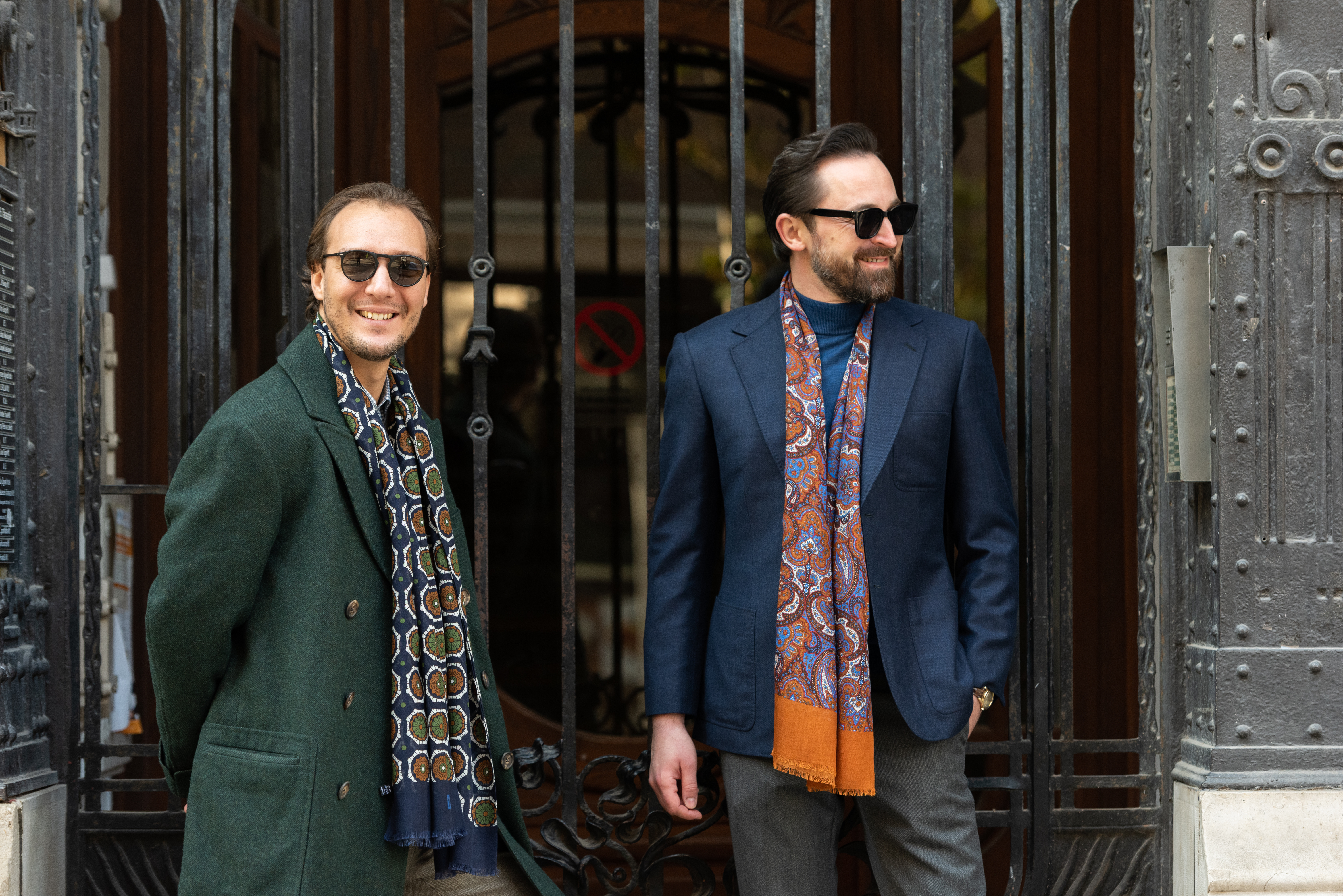
The Power of Authenticity and Connection
At a first meeting, one of your most important goals is to create a genuine connection with your client. This doesn’t mean losing your personal style; it means adapting to the environment you’re entering. When you look as though you naturally belong there, it helps build trust from the very beginning.
This requires some preparation. Take a look at the company’s website and social media platforms, and observe how the leaders dress. In a financial firm or a conservative industry, the dress code is usually more formal, while at a creative agency or startup the atmosphere may be much more relaxed.
The golden rule: dress elegantly, but don’t overdo it. Prominent brand logos and excessive displays of luxury can easily create distance. The goal is to appear both professional and approachable at the same time.
Respect in the Details
When traveling to a new country or culture, always familiarize yourself with local customs. In some places, clothing that is too short or too tight may not be acceptable; elsewhere, excessive formality might seem out of place.
For a first meeting, it is generally safer to dress slightly more formally than too casually. It is always easier to relax your style later once you understand the environment’s expectations.
One of the simplest signs of respect is a well-groomed appearance. Clean, pressed clothes, polished shoes, and a neat overall look all communicate that you take the meeting seriously. When traveling, it’s worth unpacking and hanging your clothes immediately so wrinkles can fall out, and refreshing them with steam if necessary.
Visible Signs of Reliability
Trust is the foundation of business relationships, and it is reinforced not only by your professional expertise but also by the small details of your appearance. Neatly styled hair, clean nails, a subtle fragrance, and an overall polished look all signal that you pay attention to yourself — and therefore to your clients.
Before arriving, always do a quick check: Is everything in place? Are your clothes wrinkle-free? Are your glasses clean? These small gestures help you walk into the meeting room with confidence.
The Psychology of Color – How to Frame Your Face
Imagine your face as a painting and your clothing as its frame. A good frame enhances the artwork rather than distracting from it. Choosing the right colors is key to appearing energetic and authentic.
In general:
• Softer features are complemented by more muted tones.
• Stronger contrasts can carry bolder shades.
• Eye color, hair color, and skin tone all influence the most flattering choices.
The right colors are not merely aesthetic decisions — they help direct attention naturally to your face and your message.
A Well-Structured Business Wardrobe
A thoughtfully curated wardrobe is built on a few well-tailored, versatile pieces. A high-quality blazer or suit works in almost any business situation. It’s better to choose fewer but higher-quality garments that will last over time.
Travel-friendly fabrics are especially practical, as they wrinkle less and are easier to maintain. If purchasing a suit, it can be wise to buy two pairs of trousers, since they tend to wear out faster than the jacket.
Shoes and Accessories – Refining the Overall Impression
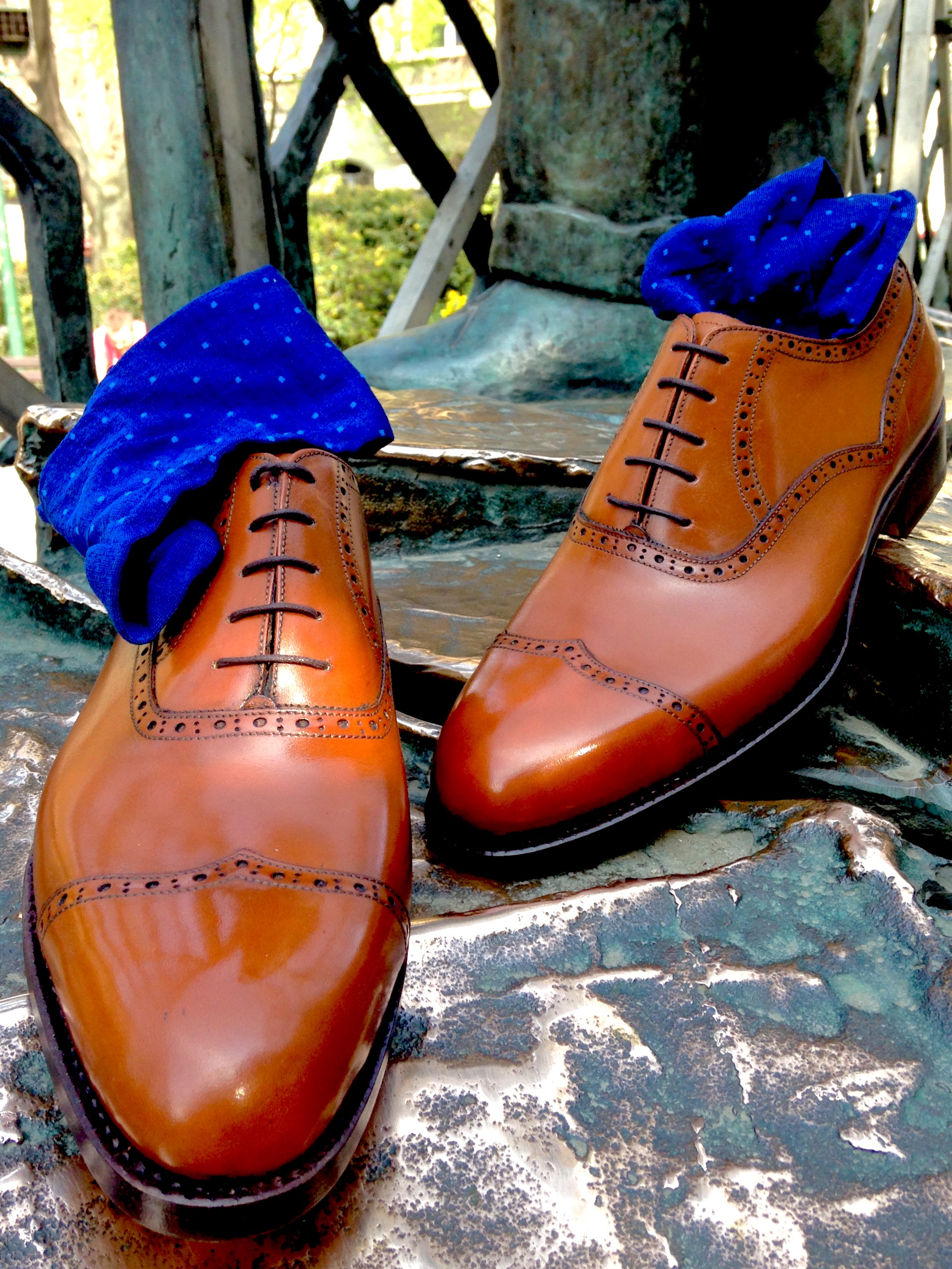
Shoes are one of the first things people notice. In business settings, clean, solid-colored styles work best. Dark brown pairs well with shades of blue and more relaxed outfits, while black is a universal choice for more formal occasions.
Accessories offer an opportunity to express personality. A subtly patterned shirt, a scarf, or a pocket square can add character without becoming excessive.
What Happens After Work?
The business day does not always end in the meeting room. For after-work drinks or more informal events, a smart casual style — such as chinos, quality denim, or a knit top — can be a perfect choice. However, if you receive a dinner invitation, always ask about the dress code, as in some cultures formal attire remains an important part of etiquette.
Conclusion
Business attire is ultimately a communication tool. It reflects not only your sense of style, but also how prepared, respectful, and reliable you are. The goal is not to stand out, but to ensure that your appearance supports your message.
If your clothes help you step into a meeting with confidence and authenticity, you are already halfway toward making a successful first impression.