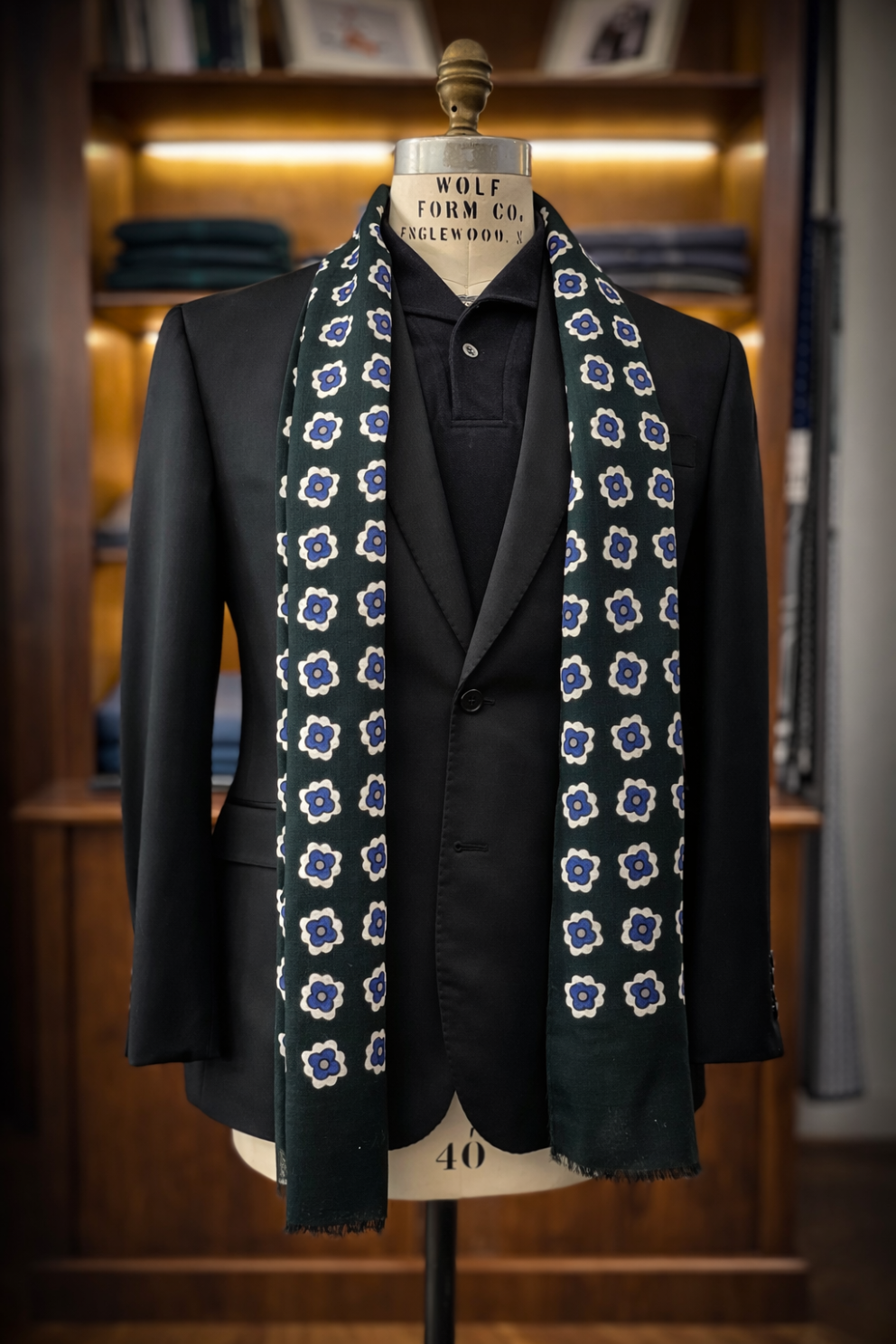
Sustainability is no longer just a trend in the fashion industry—it is increasingly becoming a fundamental mindset. In contrast to the mass production of fast fashion, more and more people are seeking timeless, high-quality garments. At the Budapest-based Simon Skottowe Bespoke Tailors atelier, sustainability is not a separate message or campaign, but a natural part of how the business operates. The philosophy of bespoke tailoring is inherently built on durability, quality, and conscious consumption.
The Bespoke Mindset: Slower Fashion, Longer Lifecycles
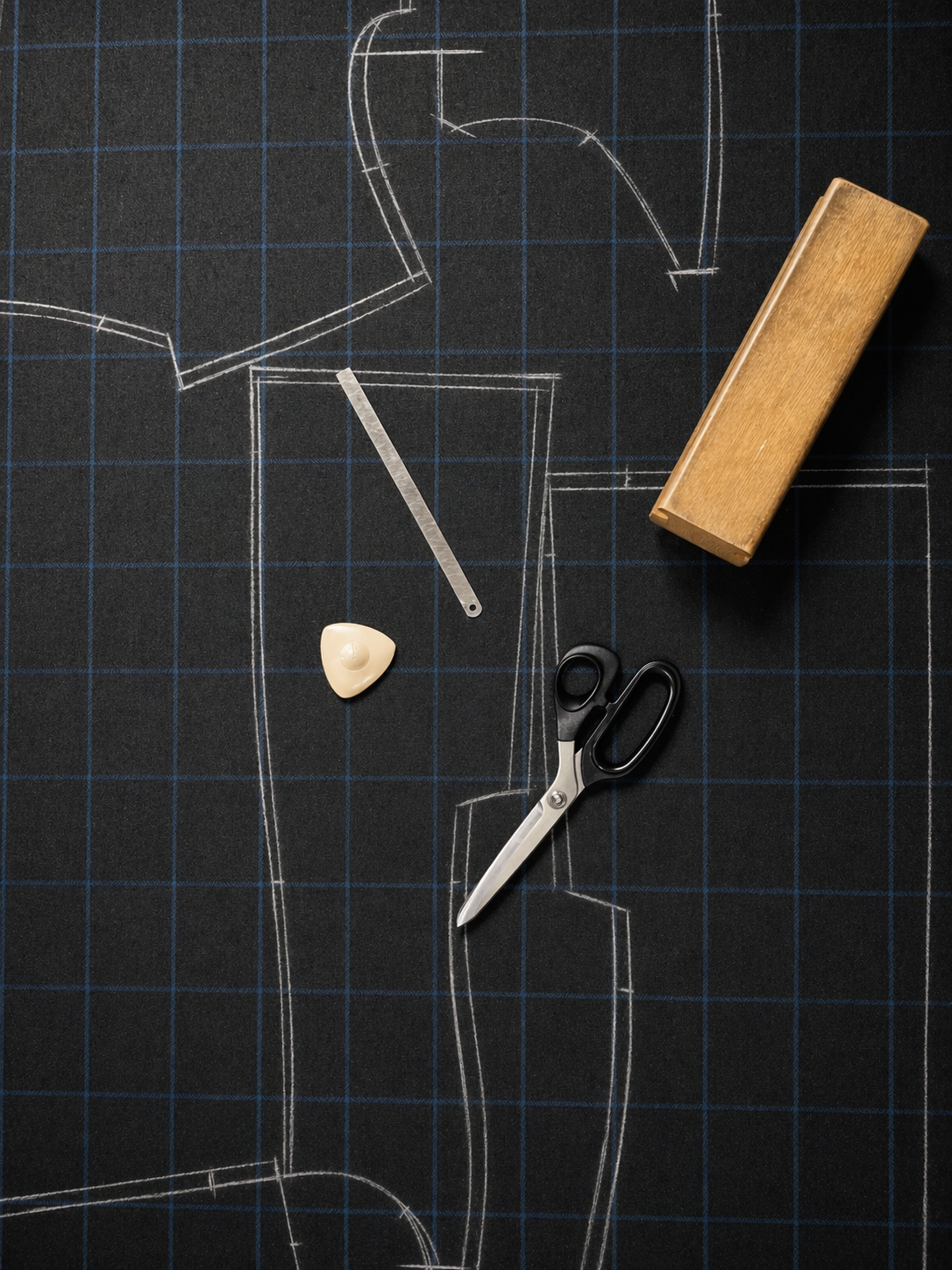
Bespoke—meaning full custom tailoring—is based on the idea that each garment is created for a specific individual, using a unique pattern. Multiple fittings and extensive handwork ensure a precise fit and long-term durability.
This approach fundamentally differs from mass production. A bespoke suit is not designed around seasonal trends but created to last for years—even decades. Thanks to premium materials and expert craftsmanship, it significantly outperforms ready-to-wear garments in longevity, making it a more sustainable choice by nature.
While off-the-rack suits are often seen as quick and cost-effective solutions, the long-term reality is often the opposite. These garments tend to wear out more quickly and require frequent replacement. In contrast, suits made at Simon Skottowe are constructed with a resilient structure and precise fit, and with proper care, can maintain their shape and character for many years.
From a “Cost Per Wear” perspective, the higher initial investment becomes more advantageous over time. Each wear delivers better value, while comfort and appearance remain consistently high. This approach clearly demonstrates that investing in quality ultimately pays off.
The Foundation of Sustainable Quality: Premium Fabrics
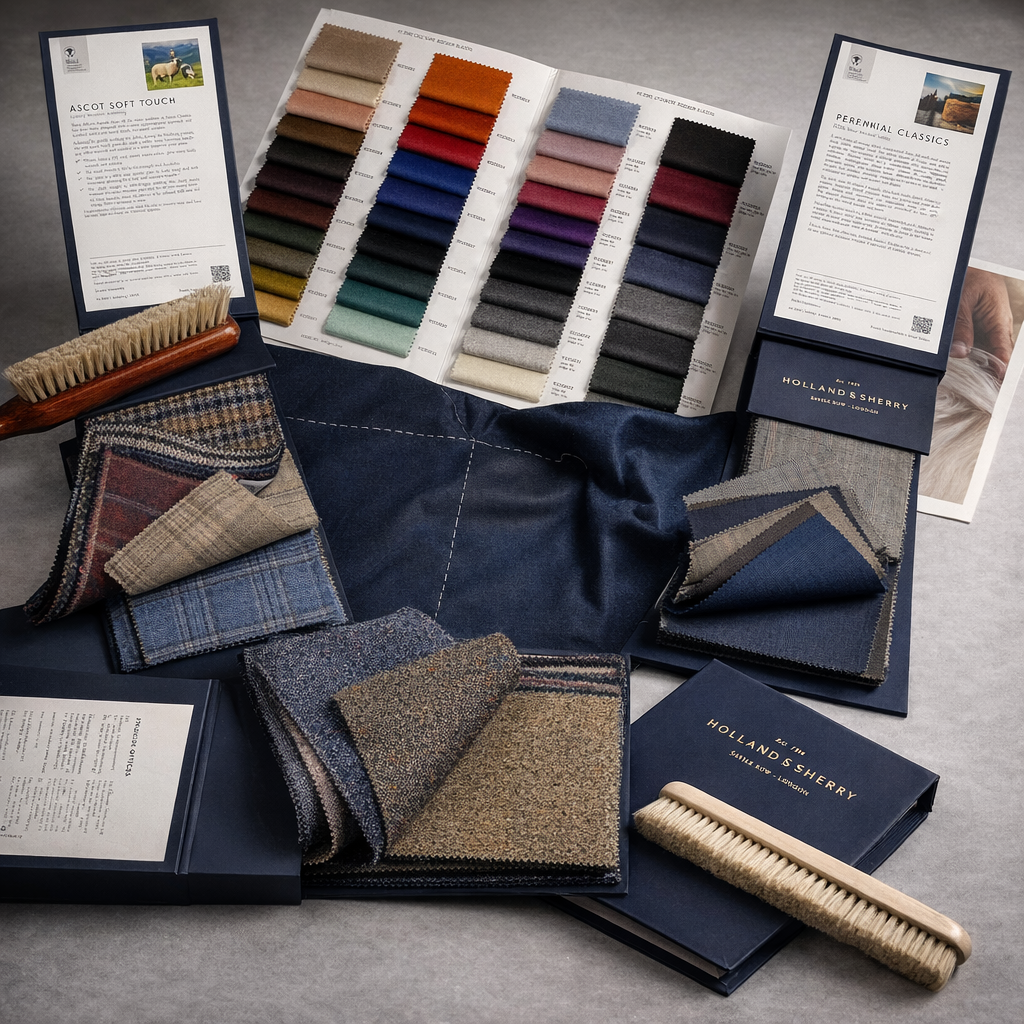
Simon Skottowe works exclusively with fabrics from the world’s leading textile manufacturers. Key suppliers include the italian mill Vitale Barberis Canonico, as well as British woolen merchants Holland & Sherry and Harrisons of Edinburgh.
These fabrics are made from natural fibers—such as wool, silk, cotton and linen—which offer several advantages:
• longer lifespan
• ease of repair
• natural biodegradability, reducing environmental impact
Holland & Sherry collections, for example, are largely based on wool and wool blends, known for their durability and timeless character—cornerstones of classic menswear.
For shirting, the atelier uses fabrics from the Italian Albini Group manufacturers of the Thomas Mason collection. With over a century of expertise, Albini combines traditional craftsmanship with modern technology and a commitment to sustainability. Their long-staple cotton fabrics offer not only luxury quality but also exceptional durability. Certifications such as GOTS and OEKO-TEX ensure that both materials and production processes meet strict environmental and social standards.
Holland & Sherry has also been progressively integrating sustainability into its operations, focusing on energy efficiency, responsible water usage, and waste reduction, while continuing to prioritize natural fiber-based textiles.
Harrisons of Edinburgh has taken notable steps in this direction as well. Achievements such as the Planet Mark certification, emissions reduction initiatives, and zero-to-landfill operations all indicate a strong long-term commitment to sustainability.
Vitale Barberis Canonico treats sustainability as a core, long-term pillar of its business, structured around three key areas: people, environment, and product. The company focuses on reducing its environmental impact through initiatives such as using 100% renewable electricity, investing in water recycling and wastewater treatment, and expanding renewable energy production like photovoltaic systems.
At the same time, it emphasizes responsible sourcing and full traceability across the supply chain, supported by certifications like Responsible Wool Standard (RWS), Global Recycled Standard (GRS), and ISO environmental and safety standards.
Overall, the company’s sustainability efforts combine environmental protection, animal welfare, product transparency, and employee wellbeing, with continuous investments and measurable goals to improve performance year by year.
Carefully Curated Brands for Ready-to-Wear Pieces
Alongside bespoke services, the Simon Skottowe store offers a carefully selected range of European brands that share the same commitment to quality and longevity.
These include Italian knitwear from Gran Sasso, accessories from Petronius 1926, and leather goods from Il Busetto. Many of these are family-owned businesses with generations of expertise, rooted in traditional European craftsmanship.
Choosing such brands is not only an aesthetic decision but also a conscious one: products made in smaller quantities with higher quality standards are designed to last significantly longer.

A Garment That Doesn’t Become Waste
One of the most important sustainability advantages of bespoke garments is their lifespan. A well-made suit can be worn for decades and can be easily repaired or altered when needed.
Classical tailoring also emphasizes the importance of allowing garments to “rest” between wears. This helps preserve the fabric’s condition and reduces the need for frequent cleaning—further extending the garment’s life.
This philosophy stands in sharp contrast to fast fashion, where garments often lose their quality after only a short period of use.
Sustainability as a Craft Value
Bespoke tailoring is, in many ways, one of the oldest and most sustainable forms of fashion. At Simon Skottowe, this tradition is expressed through the fusion of British tailoring heritage and Italian elegance.
The combination of handcraftsmanship, premium materials, and individual design results in garments that are not only stylish but also hold long-term value.
Sustainable fashion does not always require new technologies. Sometimes, it simply means returning to proven principles, the ‘old money’ model.
Investing in fewer, high quality, garments that together build a curated, considered, wardrobe will stylishly serve you, the wearer for years—even decades.